Best Spa in Pokhara: How to Judge One Before You Take Your Shoes Off
There are more than sixty places in Lakeside offering massage and most of the 'top 10' lists are paid placements. Judge the room instead.
Why the ranking lists do not help
Search 'best spa in Pokhara' and you get listicles written by people who have never been to Pokhara, ranking businesses that paid to appear. The same eight names rotate through them in a different order each time. They are not lies exactly; they are just not evidence.
The useful information is all available to you in the two minutes between walking in and lying down, and none of it requires you to know anything about Ayurveda.
Five things to check at the door
- What it smells like. A room where oil is used properly smells faintly of sesame and herbs. A room that smells strongly of synthetic fragrance is usually covering something — often the fact that the oils are cosmetic rather than medicated.
- The linen. Ask to see the treatment room before you pay. Sheets should be visibly fresh and changed while you watch if the previous guest just left. If the same towel is folded on the table at two in the afternoon, walk.
- Whether anyone asks you anything. A therapist who takes your history — sleep, digestion, injuries, medication, what you did this week — is going to give you a different treatment from the one they gave the last person. A therapist who asks nothing is going to give you the same treatment they give everyone.
- A visible price list. Prices on the wall or on a printed menu, in NPR, with durations. Prices quoted verbally and differently to different guests are a bad sign for everything else.
- Whether the therapist is introduced by name. Places that are proud of their staff introduce them. Places that treat therapists as interchangeable do not.
Questions worth asking at the desk
Nothing here is confrontational and all of it is normal to ask. How the questions are received tells you as much as the answers.
- Who will be treating me, and how long have they been doing this?
- Is there a practitioner on site, and what are their qualifications?
- What oil will be used on me, and why that one?
- Can I have a female or male therapist? (The answer should be immediate and unembarrassed.)
- Is the price on the menu the price I pay, including tax?
- Do you have a shower?
Reading reviews without being fooled by them
Ignore the star average — everything in Lakeside clusters between 4.4 and 4.9 and the number carries almost no information. Read the three-star reviews instead, which is where the specifics live, and check whether complaints repeat. One person calling a session too light is noise; six people saying the therapist was rushed is a system.
Also check the dates. A spa with forty glowing reviews from 2023 and nothing since has probably changed hands or lost its staff — which in this business is the same thing.
Signals that mean nothing
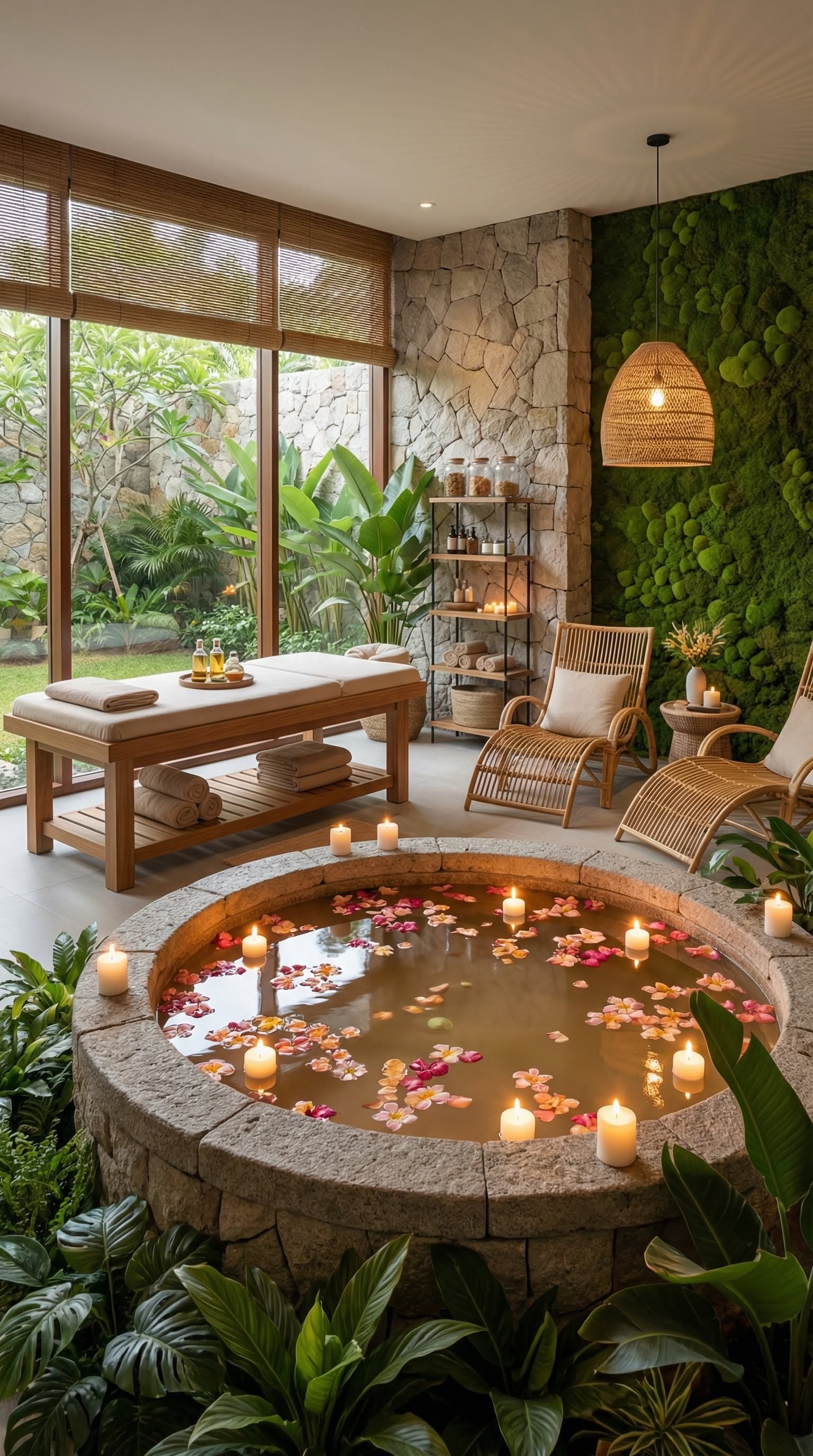
Marble, orchids, a water feature and a playlist of pan flutes are decor, and decor is cheap. So is the word 'authentic' on a sign, and so is a Sanskrit name over the door.
Being busy means very little too. In October the whole strip is busy, including the bad rooms.
The one piece of decor that does carry information is the certificate frame: look for a NAMC registration for any practitioner described as a doctor, and a Department of Ayurveda registration for the clinic itself. Both are checkable and neither can be bought as a wall ornament.
What a spa in Pokhara cannot legitimately promise you
No massage cures a disease. Anyone who tells you a week of therapy will fix your diabetes, your thyroid, your fertility or your cancer is either untrained or dishonest, and in Nepal that claim is a regulatory problem for them rather than a wellness philosophy.
Legitimate claims sound smaller and more specific: better sleep, less muscle pain, easier digestion, reduced stiffness, a calmer nervous system for a few days. Ayurvedic therapy sits alongside your medical treatment, never instead of it.
What we would book on a first visit
If you have one afternoon and no particular complaint, book a 60-minute Abhyanga with a real consultation. It is the baseline against which every other treatment makes sense, and it tells you quickly whether the place is any good.
If you have just come off the Annapurna trails, skip the general massage and book the recovery session — the load pattern is specific enough that a generic hour is a waste of your money. If you cannot sleep, book Shirodhara instead. And if you are not sure, say so at the desk. Being asked to choose from a menu of twelve modalities you have never heard of is itself a sign that nobody is going to make the decision with you.
Last updated .
Written by
Anjana Shrestha
Senior Ayurvedic Therapist
Certified Panchakarma Technician, Kerala Ayurveda Academy · 11 years in practice.
Browse the therapy menu
Ten therapies, each with what it is for, who it suits and who should avoid it.