Post-Trek Recovery in Pokhara: The 48 Hours After You Come Down
The descent does more damage than the climb. Here is what to do with the two days between the jeep from Nayapul and your bus out.
Why the descent hurts more than the climb
Going up is concentric work: muscles shorten under load and recover fast. Coming down is eccentric — the quadriceps lengthen while braking your body weight plus a pack, thousands of times. Eccentric load causes far more microtrauma, which is why the pain peaks 24 to 48 hours after you finish rather than on the last day.
Add altitude-suppressed sleep, mild chronic dehydration and four hours folded into a jeep on the road from Siwai, and you arrive in Lakeside with a body that is inflamed, under-recovered, stiffened by the drive and running on cortisol.
The first evening
- Rehydrate with electrolytes, not just water — you have been losing salt for two weeks.
- Eat protein at the first proper meal. Dal bhat plus eggs or paneer works fine, and the lake is not short of options.
- Warm shower, not cold. Cold water on inflamed, cold-adapted tissue tightens it further.
- Elevate your legs for twenty minutes before bed. Ankle swelling after a long descent plus a long drive is normal and moves easily at this stage.
- Book bodywork for that evening or the next — earlier is better for swelling.
- Go easy on the Lakeside beer for one night. Alcohol on a dehydrated body wrecks the sleep you badly need.
What massage should and should not do
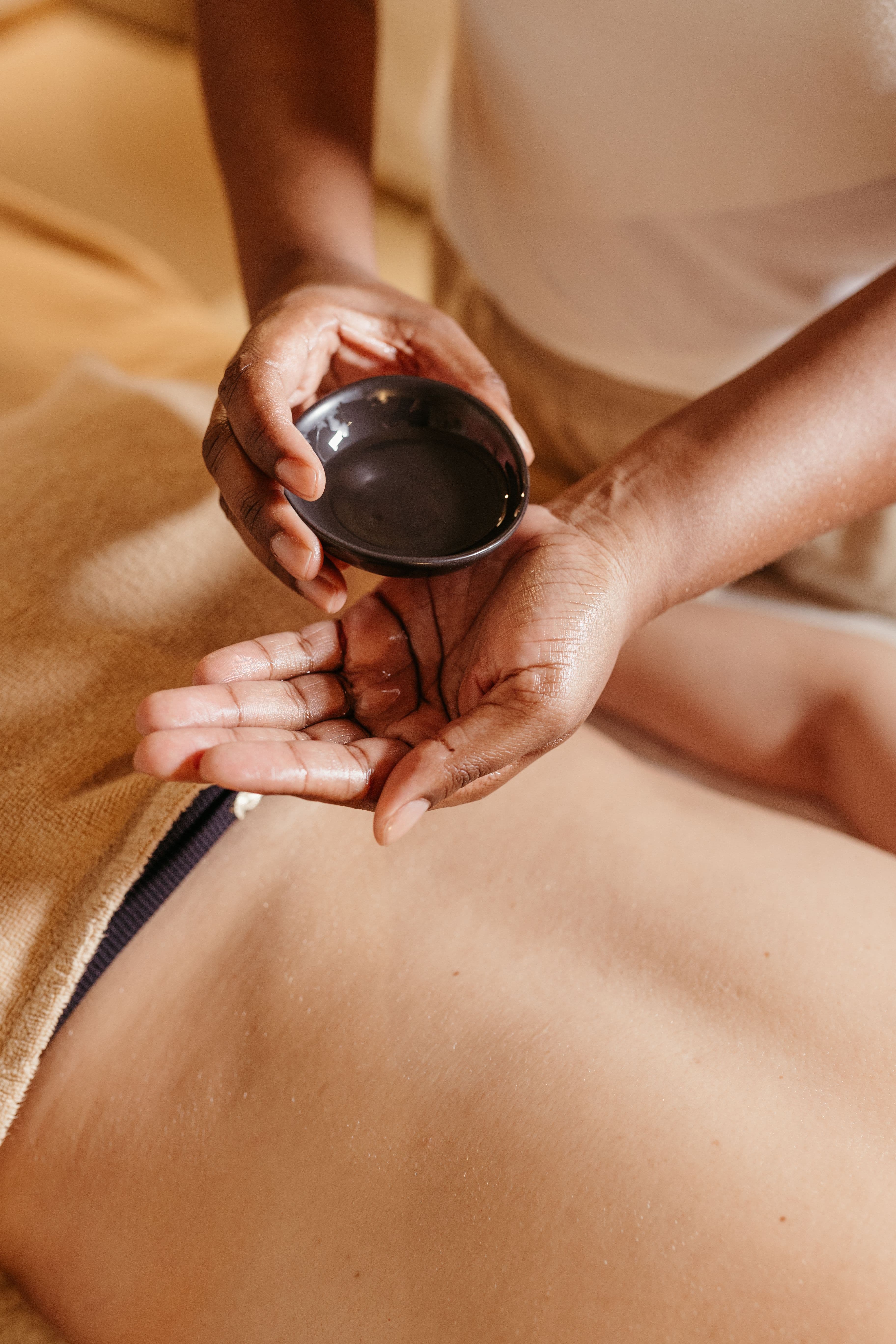
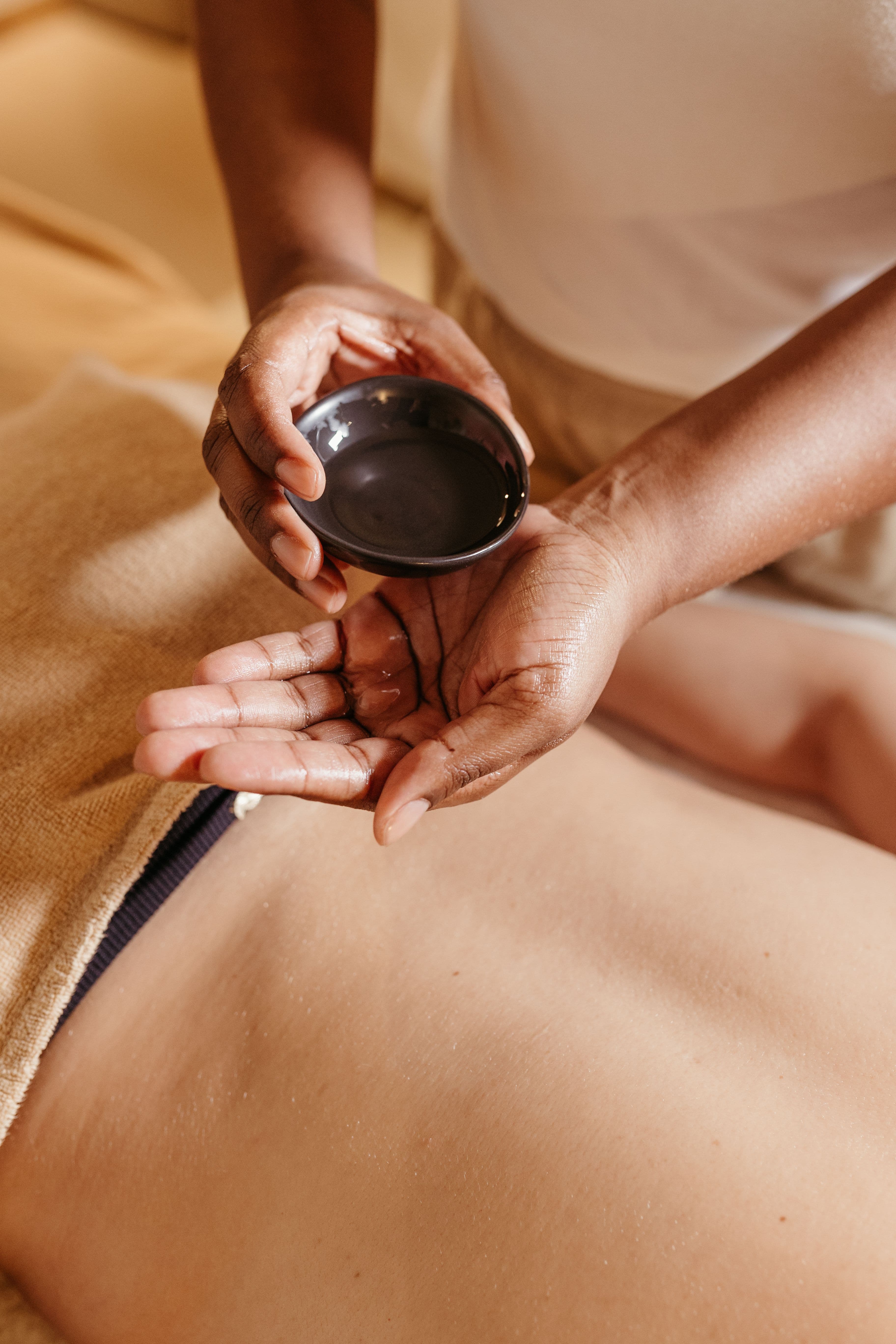
Deep pressure on inflamed quads within 24 hours can increase soreness rather than reduce it. Good post-trek work is slower and more lymphatic than a standard deep tissue session, with heat applied to joints and firmer work reserved for the shoulders and back, which are tight rather than damaged.
Tell your therapist which route you walked and whether you soaked at Jhinu Danda. The load pattern of the Annapurna Circuit is not the pattern of ABC, Mardi Himal leaves a signature of its own, and a body that has already spent an hour in hot springs needs a different opening twenty minutes.
When to skip the spa and see a doctor
Pokhara has decent hospitals and clinics fifteen minutes from Lakeside. Use them rather than hoping a massage sorts it out.
- A joint that is hot, visibly swollen and painful at rest.
- Calf pain in one leg only, especially after the long jeep ride down — this needs ruling out, not massaging.
- Persistent cough, breathlessness or headache that started at altitude.
- Any injury with bruising you cannot account for.
- Diarrhoea or fever that started on the trail and has not cleared.
The day before you travel on
Keep it light: a foot ritual, a steam, and a walk along the lake. Save deep work for at least 24 hours before the tourist bus to Kathmandu or a flight home — seven hours immobile in a coach seat on freshly worked legs is the one combination guaranteed to undo the session.
If your schedule only allows one treatment and you are leaving tomorrow, take it tonight and tell us at check-in. We go slightly lighter and add more drainage work when we know a long journey is coming.
Last updated .
Written by
Bikash Tamang
Sports & Recovery Therapist
Diploma in Sports Massage; Ayurvedic Therapy Level 3 · 9 years in practice.
See the Trekker's Recovery Package
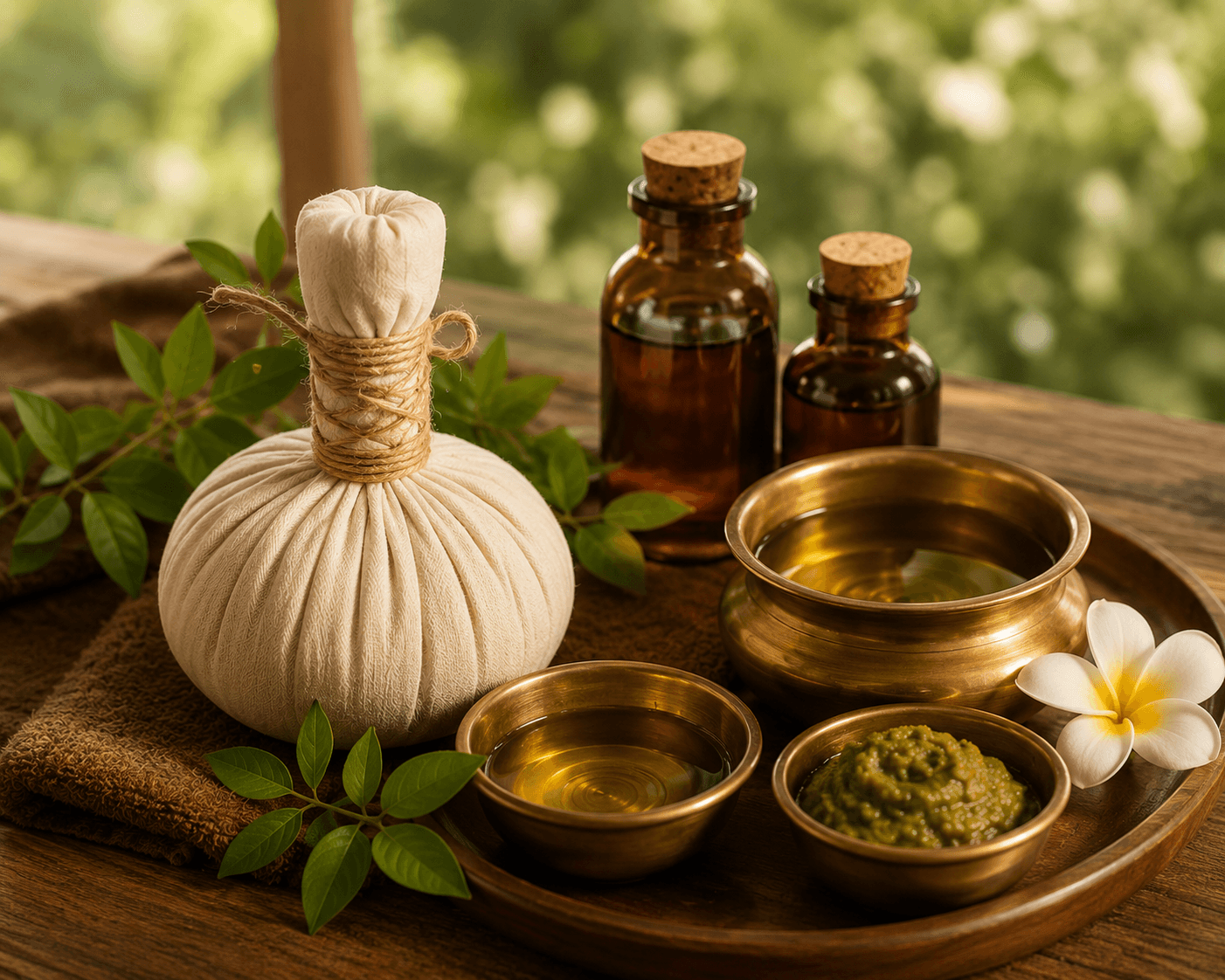
2.5 hours of deep leg work, herbal poultice, foot ritual, steam and a hot shower.